
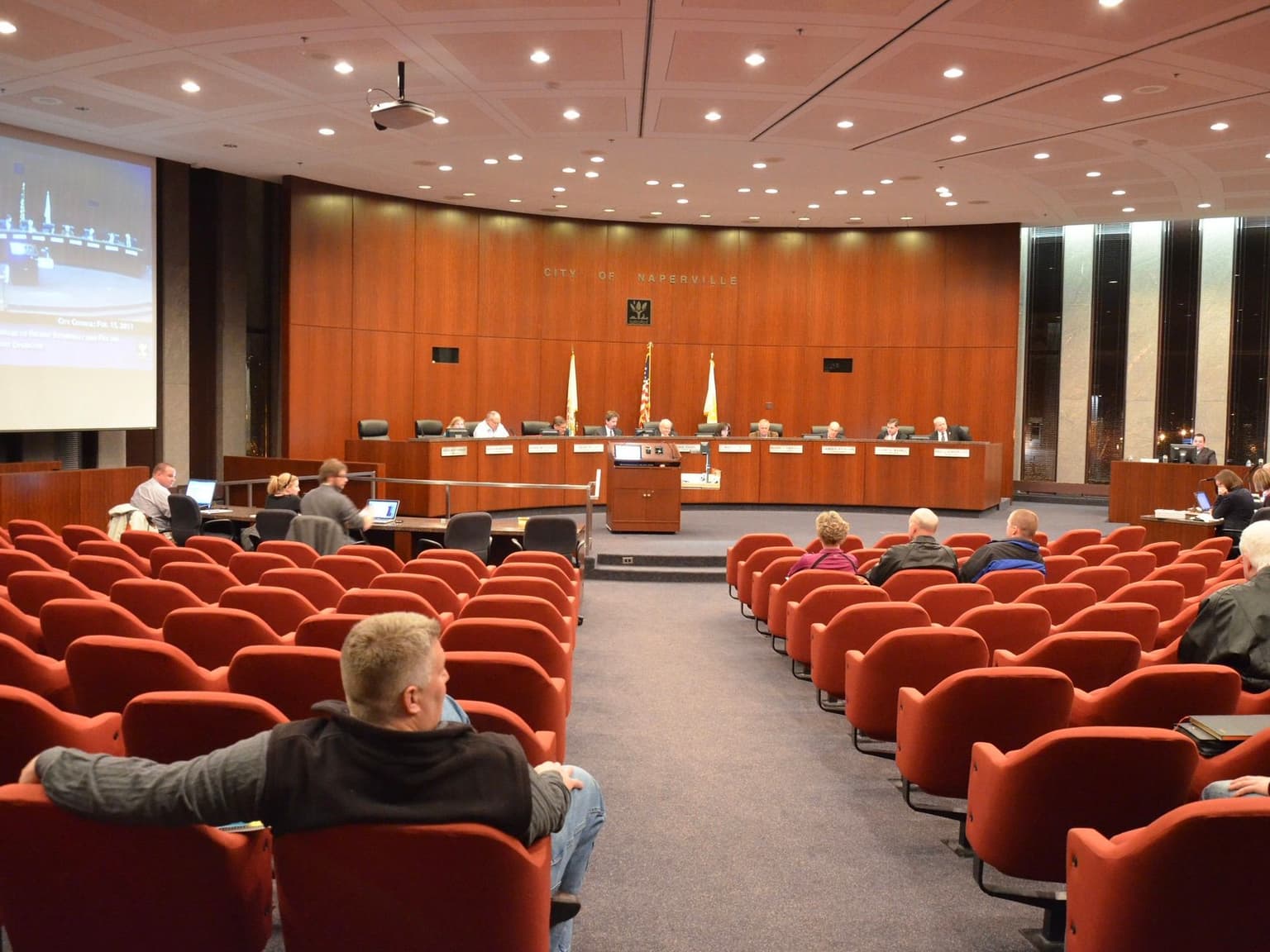
Stepping into your role as a city council member comes with a steep learning curve. One of the first challenges you’ll face is participating in, or perhaps even running, city council meetings.
On the surface, these meetings can seem procedural and rigid, with strict agendas, motions, public comment, and voting processes. However, those formalities are how real governance happens.
Depending on your city’s structure, you may be the person formally running the meeting. In many cases, that responsibility falls to the mayor or a council president. However, even if you’re not holding the gavel, every council member plays a role in how effective, productive, and respectful a meeting is.
In practice, learning how to run a city council meeting also means learning how to show up prepared, participate thoughtfully, and help guide the process toward good decisions.
What It Means to Run a City Council Meeting
Running a city council meeting doesn’t just mean keeping things on schedule or following parliamentary procedure.
At its core, it means guiding a public decision-making process in a way that is:
- Transparent
- Organized
- Inclusive
- Focused on outcomes
The goal isn’t just to get through the meeting agenda. It’s to make thoughtful decisions that reflect your community’s needs.
Who Is in Charge of City Council Meetings?
Who runs your city council meetings depends on your local government structure, which is one of the first things you should understand as a new council member.
In most cities, meetings are run by one of the following:
- Mayor: In a strong-mayor system, the mayor often chairs meetings and may have more control over the agenda and discussion.
- City Council President or Chair: In weak-mayor or council-manager systems, a council member, often elected by peers, leads the meeting.
- City Manager Support: In council-manager systems, the city manager helps prepare the agenda and provides administrative guidance, but does not run the meeting.
Regardless of who officially runs the meeting, effective governance is shared. A well-run meeting depends on prepared, collaborative council members, not just a strong chair.
Who Attends City Council Meetings?
Understanding who’s in the room or on the livestream helps you navigate both the formal and informal dynamics of meetings.
Typical participants include:
- City council members
- Mayor or council chair
- City manager or administrator
- Department heads and staff presenting items
- Clerk or recorder managing minutes and procedures
- Constituents and community members attending or giving public comment
- Local media covering decisions and debates
Each group plays a different role, and part of running an effective meeting is balancing those voices while staying focused on the agenda.
Understand your community with free and easy polling
Launch a free survey of your community and get a clear picture of your constituents' top priorities
How to Prepare for a City Council Meeting
If you take one thing from this guide, let it be this: the quality of your meeting depends on your preparation.
Most of the real work happens before the meeting ever starts.
Step #1: Read the Agenda and Supporting Materials Carefully
Start with the basics:
- Review the full agenda
- Read staff reports and memos
- Understand the background of each issue
- Identify which items require a vote
Coming in unprepared slows down meetings and weakens your ability to lead effectively.
Step #2: Understand the Stakes Behind Each Item
Every agenda item affects real people.
Before the meeting, ask:
- Who does this impact?
- What are the financial implications?
- Is this a new issue or part of a longer process?
- What are the tradeoffs?
This helps you move beyond surface-level discussion and make informed decisions.
Step #3: Check in with Your Constituents
City council meetings are not just internal processes. They are public decision-making spaces.
Before key votes:
- Talk to residents
- Review constituent emails or feedback
- Look for patterns in concerns
This ensures your decisions reflect more than just the voices in the room.
LEARN MORE: See how local leaders listen and respond with our guide to constituent engagement.
Step #4: Coordinate with Colleagues and Staff
Good governance is collaborative, not reactive.
Before meetings:
- Ask staff and department heads clarifying questions
- Have one-on-one conversations with colleagues
- Identify areas of agreement or concern
This can prevent unnecessary conflict and make meetings more productive.
Keep in mind that you may need to comply with your state's sunshine laws when discussing community issues. Some states limit the amount of discussion allowed outside of public meetings and put strict rules on how many people can participate in private conversations about public issues.
Step #5: Prepare Questions, Not Just Opinions
New council members often feel pressure to speak quickly or take strong positions, but one of the most effective things you can do is ask thoughtful questions.
Prepare:
- Clarifying questions
- Questions about policy implementation
- Questions about long-term impact
This leads to better decisions and signals that you’re taking your role seriously.
LEARN MORE: Stepping into a new role can be challenging. Learn how to make a smooth transition from campaigning to governing.
How to Run a City Council Meeting Step-by-Step
While procedures vary by city, most meetings follow a similar structure.
Here’s how a typical meeting runs, and where you play a role:
- Call to Order: The chair (mayor or council president) opens the meeting and confirms quorum. If you’re chairing the meeting, you’ll be responsible for moving through each of these steps. If you’re participating as a council member, your role is to engage in each stage thoughtfully and help keep the process productive.
- Approval of Agenda and Minutes: Council members review and approve the meeting agenda and minutes from previous meetings. This step ensures accuracy and transparency, and it prevents unresolved issues from previous meetings from getting lost.
- Public Comment: Community members are given time to speak. As a council member, it’s your job to listen actively and take note of recurring issues. Public comment is one of the most direct ways constituents engage with local government.
- Presentations and Staff Reports: City staff or departments present agenda items. You should ask clarifying questions to understand the recommendation being presented and evaluate how it impacts your constituents.
- Council Discussion: This is where deliberation happens. To ensure the discussion is productive, stay focused on the issue and be respectful, even in disagreement. The goal should always be to move toward a decision.
- Motions and Voting: Following parliamentary procedures, like Robert’s Rules of Order, council members make motions, second motions, and vote on proposals.
- Adjournment: The meeting is formally closed.
Tips for Running Productive and Civil Meetings
City council meetings can quickly become tense, especially when issues are high-stakes or politically sensitive.
How you show up matters.
- Lead with civility, even when you disagree. Disagreement is part of governance. Disrespect doesn’t have to be. Focus on issues, not personalities. Avoid interrupting or dismissing colleagues. Model the tone you want the meeting to have. Civility builds trust, both inside the room and with the public watching.
- Stay focused on outcomes, not optics. It can be tempting to treat council meetings like extensions of your campaign, but effective governance isn’t about performance. It’s about results. Prioritize solutions over soundbites. Be willing to compromise when appropriate. Keep the focus on community impact.
- Respect the process. Procedures may feel slow, but they exist for a reason. They ensure fairness, transparency, and accountability. Learning and respecting those processes makes you a more effective leader.
- Manage time, but don’t rush decisions. Good meetings balance efficiency with thoughtful deliberation.
- Follow through after every meeting. Your job doesn’t end when the meeting adjourns. Remember to follow up on action items and communicate decisions to your constituents.
LEARN MORE: Being an active participant in city council meetings is a core part of being a good city council member. See other ways you can focus on being a good public servant and lead with integrity.
Lead Effective City Council Meetings from Day One
Learning how to run a city council meeting is less about memorizing procedures and more about developing habits. Preparation, collaboration, and a commitment to public service will take you further than any rulebook alone.
For newly elected local officials, especially Independent and nonpartisan leaders, city council meetings are your chance to set a different tone for how your community is run.
You can:
- Make meetings more accessible and transparent
- Focus on real community needs
- Build trust through consistent, thoughtful leadership
All that starts with how you show up to every meeting.
If you want support as you step into your role, GoodParty.org offers tools to help you stay connected to your constituents, gather feedback, and make more informed decisions.
Start by understanding what your community actually needs. Launch a free survey with GoodParty.org Serve and bring those insights into your next council meeting.
Photo by Michael Kappel