
The political divide in America feels wider than ever. Cable news debates turn into shouting matches. Social media amplifies outrage. Even local school board meetings can become battlegrounds for partisan fights.
But the truth is that most communities are far less divided than national politics would have us believe.
If you’re running as a nonpartisan or Independent candidate in a local race, you are uniquely positioned to bring people together. In fact, your campaign may be one of the most powerful opportunities to show voters how to bridge the political divide in real, tangible ways.
What Is the Political Divide?
The political divide refers to deep ideological, cultural, and partisan differences between groups of voters.
In American politics, the political divide often looks like:
- Democrats vs. Republicans
- Urban vs. rural priorities
- Progressive vs. conservative values
- “Us vs. them” narratives fueled by media and party leadership
While political disagreement has always existed, today’s divide is historically intense.
Recent research shows how deeply polarized Americans have become. A 2024 national poll from the SNF Agora Institute and YouGov found that nearly half of Americans believe members of the opposing political party are “evil.” This kind of emotional hostility reflects how political disagreements have increasingly become personal and identity-driven.
At the same time, the country is almost perfectly split between the two major parties. According to the Pew Research Center, 46% of Americans identify with or lean Republican, while 45% identify with or lean Democratic, leaving the electorate nearly evenly divided.
Yet frustration with the system itself is also growing. Surveys show that 28% of Americans now hold unfavorable views of both major parties, a sharp increase from just 7% about two decades ago.
Together, these trends highlight the challenge facing American democracy today: voters feel deeply divided politically, but many are also dissatisfied with the partisan system driving that divide.
Your free guide to running a winning campaign
Claim your copy to level up your campaign strategy.
Why the Political Divide Is Showing Up in Local Races
Local elections used to be quieter, more pragmatic, and less partisan. That’s changing.
Over the past few years, national political divisions have increasingly spilled into local contests, especially in school board and city council races that used to focus almost exclusively on neighborhood-level issues.
In 2024 school board elections across the country, researchers observed a clear pattern: party affiliation and national political identity played a much larger role in voter decision-making than in previous cycles.
We’ve also seen this dynamic in states like Wisconsin, where school board elections attracted attention and funding from national political organizations in 2024. Issues such as curriculum transparency, LGBTQ+ policies, and public health decisions became defining lines in local races. Outside groups invested time and money into contests that, historically, would have been decided almost entirely by local concerns.
Local voters are increasingly exposed to national culture-war narratives, even when the offices in question primarily manage budgets, infrastructure, zoning, and schools.
But local elections are exactly where we can stop this shift and get back to what really matters. Local elections are often nonpartisan, with no party labels on the ballot. Additionally, in local elections, voters are more likely to know the candidates personally, and with low turnout, those interpersonal connections and conversations have real power.
LEARN MORE: Explore why turnout in local elections is so low and how we can fix it.
Strategies to Bridge the Political Divide in Your Campaign
According to recent data, 45% of Americans identify as politically Independent. That means a significant portion of voters are already open to candidates who operate outside rigid party structures.
For Independent and nonpartisan candidates, this shift is an opportunity.
Bridging the political divide doesn’t mean watering down your values. It means leading with clarity, empathy, and shared purpose.
Here are practical strategies to lessen polarization in your local campaign and community.
#1: Start With Shared Values, Not Party Positions
Most voters, regardless of political party, care about:
- Safe communities
- Good schools
- Fair taxes
- Transparent government
- Economic opportunity
Instead of framing your message around partisan talking points, anchor it in shared community values. For example, instead of talking about combating a radical agenda, offer practical solutions to keep neighborhoods safe or government accountable.
When you focus on outcomes rather than party battles, you create space for voters across the spectrum to see themselves in your campaign.
#2: Use Issue-Based Language, Not Party Labels
The fastest way to trigger division is to use nationalized party rhetoric in a local race.
To bridge the political divide:
- Avoid party slogans.
- Avoid national culture-war framing.
- Keep the conversation local and specific.
If you’re running for school board, talk about classroom sizes, teacher retention, and parent engagement. If you’re running for city council, focus on zoning laws, road improvements, and local small businesses.
The more concrete and local you stay, the harder it is for opponents to polarize your campaign.
#3: Practice Radical Listening
One of the most powerful tools for bridging division is simple: listening.
Host town halls, listening sessions, small neighborhood meetups, and run online community surveys.
Ask voters:
- What keeps you up at night?
- What’s working in our town?
- What’s not?
- What would you change?
Then reflect their concerns back in your messaging. When voters feel heard, they’re more likely to trust you even if they don’t agree with you on everything.
LEARN MORE: Want to hear what your community thinks? Send a free poll to your constituents with GoodParty.org Serve.
#4: Refuse the “Us vs. Them” Frame
Polarization thrives on enemy-making. Independent and nonpartisan candidates can disrupt that cycle by refusing to:
- Demonize opponents
- Mock voters who disagree
- Engage in personal attacks
You can disagree strongly without being divisive. Refusing to participate in negative campaigining builds credibility, especially among voters exhausted by partisan conflict. It also reinforces your identity as a community-focused leader rather than a party warrior.
#5: Highlight Common Ground Publicly
When you do find bipartisan or cross-ideological agreement, say so publicly.
For example, you can highlight that, after speaking with parents across the political spectrum, you found that everyone wants transparency in the local schools. Or, talk about how small business owners, regardless of party affiliation, have confided in you that permitting needs to be simpler.
By emphasizing overlap, you subtly teach voters that the divide isn’t as wide as they think.
Why Independent and Nonpartisan Candidates Are Uniquely Positioned to Bridge the Divide
If you’re running outside the two-party structure, you already have an advantage, because:
- You aren’t bound by party orthodoxy. Major party candidates often face pressure to align with national platforms, donors, or party leadership. Independent and nonpartisan candidates have more freedom to build issue-specific coalitions, adapt to local needs, and work with anyone in office.
- You represent voters who feel politically homeless. With nearly half of Americans identifying as Independent, many voters feel stuck between two options that don’t fully represent them. Your campaign can offer an alternative to partisan gridlock and rebuild trust at the local level.
- Your nonpartisan election encourages collaboration. In many local races, party labels aren’t even on the ballot. That changes voter psychology. Instead of wondering about which party a candidate is in, they are forced to consider who’s most qualified, who understands the community best, and who can work well with others.
Most elections are not won by energizing the extremes alone. They’re won by persuadable voters, low-propensity voters, Independents, and moderates across the spectrum. If your campaign models collaboration instead of confrontation, you expand your coalition. In local races with low turnout, even a shift in a few hundred votes can have a lasting impact on your race, your community, and the way your neighbors engage with politics.
The Bigger Picture: Rebuilding Trust From the Ground Up
National politics may feel gridlocked, but local politics is still personal.
When Independent and nonpartisan candidates lead with integrity, prioritize people over party, and collaborate across differences, they help restore faith in democratic participation itself.
Bridging the political divide starts in neighborhoods, not cable news studios.
Your neighbors don’t need another partisan fighter. They need a real public servant.
If you’re ready to step up and run, GoodParty.org provides free and low-cost tools, training, and community support to help Independent and nonpartisan candidates win.
Book a demo today to see how you can become a leader who represents your community, not a political party.
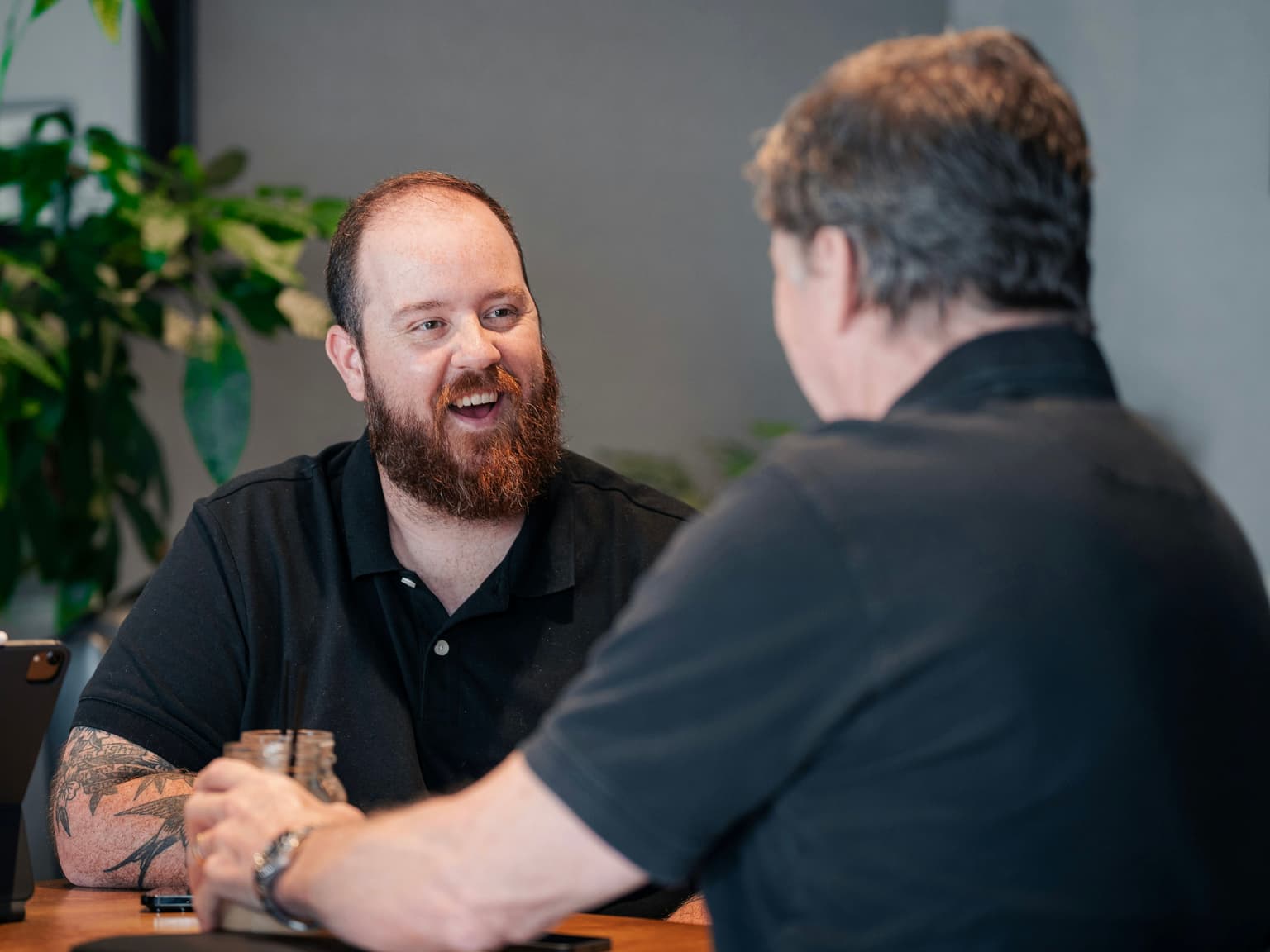
Photo by Kevin Ache on Unsplash