
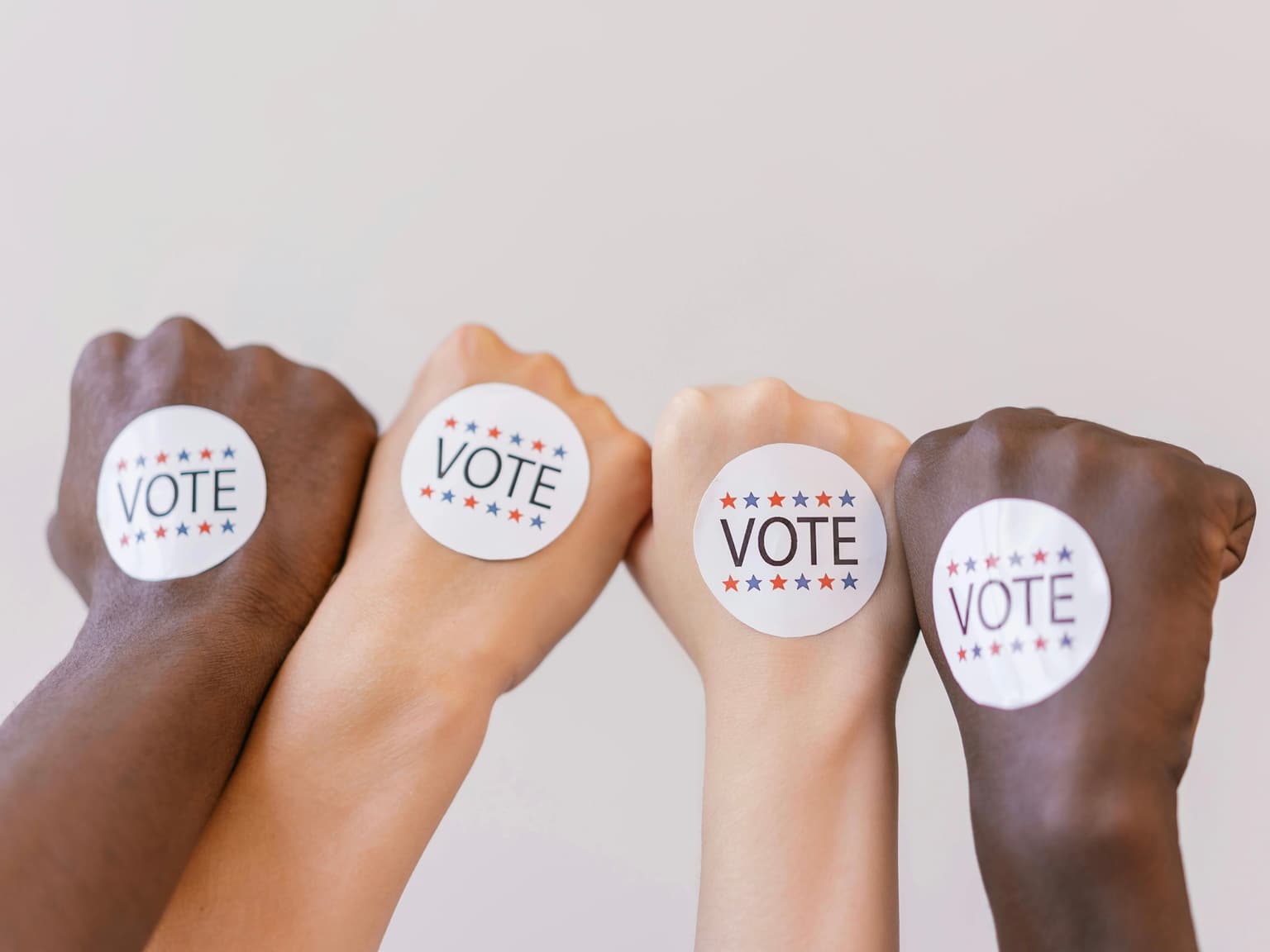
If you’ve ever wondered what political campaign volunteers do, the short answer is: a lot. Political campaign volunteers help candidates win elections by supporting voter outreach, fundraising, data management, event planning, and community engagement. Their work includes canvassing, phone banking, texting voters, organizing events, managing social media, and assisting with research or administrative tasks.
Volunteers are the beating heart of political campaigns. Whether you’re knocking on doors, hosting events, or running social media, your time and energy help shape elections and the future of your community.
In this guide, we’ll break down what political campaign volunteers actually do, how their work fuels change, and how you can get involved, no experience required.
Who Can Be a Political Campaign Volunteer?
Anyone can be a political campaign volunteer. You don’t need a political science degree or years of experience. If you care about your community and are willing to show up, you’re already halfway there.
Volunteers come from all walks of life, including students, teachers, retirees, parents, first-time voters, and longtime organizers. Campaigns need people with all kinds of skills, from social media savvy to spreadsheet wizardry to a friendly voice on the phone.
Whether you can commit five hours a week or just help out once in a while, your contributions matter.
Join a community of changemakers
Connect with Independent problem-solvers and explore free resources for launching your campaign
What Do Political Campaign Volunteers Do?
Volunteers take on a wide variety of roles based on the campaign’s needs and their own interests or availability. Here's a breakdown of the most common and most impactful tasks:
Door-to-Door Canvassing
Canvassing is a core part of campaign field work and plays a central role in get-out-the-vote (GOTV) efforts during the final weeks of an election cycle. Volunteers knock on doors to introduce the candidate, share campaign literature, have real conversations with voters, and collect valuable feedback.
Face-to-face outreach builds trust in a way no ad or email can. It’s also one of the best ways to boost voter turnout, especially in local races.
LEARN MORE: Explore how door-to-door canvassing can lead campaigns to victory.
Phone Banking and Texting
Not comfortable knocking on doors? No problem. Campaigns need volunteers to make calls or send texts to potential voters, reminding them about upcoming elections or inviting them to events.
Phone banking scripts are usually provided, and you can often do it from home.
LEARN MORE: See how phone banking helps campaigns reach crucial voters.
Fundraising Support
Fundraising keeps a campaign alive, and volunteers are often the spark that makes it happen. While asking for money might sound intimidating, it’s really about connecting with people who believe in the cause and giving them a way to take action.
Volunteers play a vital role in grassroots fundraising by:
- Reaching out to potential donors through calls, emails, or social media
- Hosting house parties or online fundraisers to rally support
- Helping plan donor events, from casual meetups to ticketed galas
- Tracking contributions and sending thank-you notes to build relationships
You don’t need to be a professional fundraiser to make an impact. Just sharing a donation link with your network or telling your personal story about why the campaign matters can inspire others to give.
Data Entry and Digital Organizing
Behind every strong field program is solid data. Volunteers help analyze voter data, log voter responses, track engagement, and maintain clean, accurate records. It may not sound glamorous, but it’s essential work.
Digital organizers also help coordinate efforts across texting platforms, email lists, and volunteer scheduling tools.
Social Media and Content Creation
In today’s campaigns, a viral video or well-crafted post can change the game. Volunteers help by:
- Creating graphics and videos
- Managing social media pages
- Sharing posts with their networks
- Writing blogs or email newsletters
If you have design skills, writing chops, or a knack for TikTok, this is your moment.
LEARN MORE: Learn how to best use social media for political campaigns.
Voter Registration Drives
Campaigns need voters, and that starts with voter registration. Volunteers often help with GOTV efforts by registering new voters at community events, colleges, and canvassing stops, especially in underrepresented neighborhoods.
You’ll also help explain registration deadlines, voter ID laws, and how to vote by mail or during early voting.
Event Planning and Hosting
Events are where energy builds and momentum grows, and volunteers are the ones who make it all happen. From intimate house parties to full-blown rallies, campaign events require creativity, coordination, and community outreach.
Volunteers are often the driving force behind:
- Planning logistics like venues, schedules, and equipment
- Promoting events through social media, email, and flyering
- Welcoming attendees and making sure they feel heard and valued
- Setting up and breaking down stages, signs, seating, and more
- Capturing content for the campaign’s website and socials
Whether you’re emceeing a meet-and-greet, live-streaming a town hall, or running a voter registration table at a community fair, your work helps spark real conversations and turn supporters into voters.
LEARN MORE: Explore the best ways to organize political campaign events.
Research and Policy Support
If you love digging into data or writing policy memos, you might support the campaign’s research or messaging team. Volunteers can help fact-check talking points, draft responses to local issues, or gather stats for outreach materials.
Community Building and Outreach
Winning hearts and minds takes more than ads and talking points. It takes real relationships. Volunteers are the bridge between grassroots campaigns and the communities they hope to represent.
Through one-on-one conversations, local connections, and shared experiences, volunteers help campaigns:
- Build trust with voters across neighborhoods, cultures, and languages
- Forge partnerships with community leaders, advocacy groups, and local institutions
- Show up where people already are, like farmers markets, places of worship, neighborhood events, and school functions
- Listen first, then connect the dots between local concerns and campaign solutions
The most successful campaigns don’t just talk at voters, they talk with them. As a volunteer, your lived experience and local knowledge make you an invaluable part of that conversation.
LEARN MORE: Want to build your skills? Check out our free volunteer courses in the GoodParty.org Community.
Types of Political Campaign Volunteers
Political campaign volunteers take on different roles depending on their skills, interests, and availability. Most campaigns rely on a mix of the following:
- Field Volunteers: Knock on doors, make phone calls, send texts, and help mobilize voters during GOTV efforts.
- Digital Volunteers: Create content, manage social media, draft emails, and help expand the campaign’s online presence.
- Fundraising Volunteers: Host house parties, share donation links, assist with donor outreach, and support grassroots fundraising efforts.
- Administrative & Data Volunteers: Enter voter data, track engagement, manage schedules, and support day-to-day campaign operations.
- Research & Policy Volunteers: Fact-check messaging, gather local statistics, draft issue briefs, and assist with policy research.
No matter the role, every volunteer contributes to voter outreach, community engagement, and the overall strength of the campaign.
Why Volunteers Matter
Volunteers don’t just help campaigns run. They are the heart of the campaign. Especially for Independent candidates and grassroots movements without major-party support, volunteers can mean the difference between winning and losing.
Some ways volunteers drive change include:
- Making campaigns visible. Knocking doors, calling voters, and showing up at community events are the key ways you make sure people know there’s an election and what’s at stake.
- Building trust. Voters are more likely to listen to a neighbor or peer than a paid ad. For instance, when texted by someone they know, people were 8.6 percentage points more likely to vote than when they received texts from standard campaign outreach.
- Empowering communities. One of the most important benefits of volunteering is having a way to take action and support issues you care about. Volunteers’ actions help inspire their friends and neighbors to get out there and participate in civic actions, too.
- Stretching limited budgets. Independent and down-ballot campaigns rely heavily on volunteer labor to compete.
Beyond all of that, volunteers help candidates win. Especially in local politics, countless successful campaigns are driven by volunteer power.
Take the newly elected New York City Mayor, Zohran Mamdani. In his primary campaign, Mamdani had more than 50,000 volunteers sign up. Those volunteers knocked on 1.6 million doors in New York City and helped the campaign max out on individual donations and campaign funding over a month before the election took place. Between Mamdani’s personable rhetoric and volunteers’ efforts, the campaign inspired action in youth voters, with more than 100,000 young voters (18 to 24 years old) voting for the first time in the primary election.
But he’s not alone:
- Iowa City, Iowa, elected long-time activist and working-class organizer Oliver Weilein to its city council in March 2025. His grassroots campaign centered on making progress for tenants, wage workers, and marginalized communities, and his volunteers knocked on doors across the city to help secure his victory.
- Mayoral incumbent Barbara Lee won her reelection campaign for Oakland, California, in April 2025. Her grassroots campaign was powered by volunteers who reached out to voters in all areas of the city, not just the high-turnout parts. These volunteers helped her campaign knock on over 15,000 doors, host more than 70 house parties, and make almost 100,000 phone calls.
- Omaha, Nebraska, elected its first Black mayor, John Ewing in May 2025 after he ran a campaign centered on boosting the local economy, creating jobs, and making housing affordable. His historic win is attributed in part to the volunteers who worked tirelessly at canvassing and phone banking leading up to election day.
- In June 2025, the 24-year-old Ric Galvan won his race for the San Antonio, Texas, city council using a grassroots campaign fueled by volunteers. Galvan won in a run-off election by only 25 votes, but both candidates focused their campaigns on policy and platform instead of attack ads and mudslinging.
Volunteers don’t just help political candidates win, though. They also build and promote crucial movements across the country. From the LGBTQ+ rights movement to the Civil Rights era of the 1960s, transformative change has always relied on volunteers. These movements didn’t start with massive budgets. They started with people willing to take action.
Campaign Volunteers vs. Campaign Staff: What’s the Difference?
If you’re new to political campaigns, you might wonder: what’s the difference between a campaign volunteer and a paid staff member?
Both are essential, but their roles are different.
Political campaign volunteers are unpaid supporters who contribute their time and skills to help a candidate or cause win an election.
Volunteers typically:
- Work flexible or part-time hours
- Choose tasks based on interest or availability
- Support specific events, outreach efforts, or campaign initiatives
- Participate during key moments in the election cycle
On the other hand, campaign staff are paid professionals hired to manage strategy and oversee operations throughout the election cycle.
Staff roles often include:
- Campaign manager
- Field organizer or field director
- Communications director
- Finance director
- Volunteer coordinator
Staff members are responsible for planning outreach strategy, setting goals, managing budgets, and coordinating volunteer efforts.
While staff typically provide structure, strategy, and consistency, volunteers provide energy, community trust, and the people power needed to reach voters at scale.
How to Start Volunteering
Not sure where to begin? It’s easier than you think:
- Pick a campaign or cause you believe in. Start local. Think school board, city council, or state legislature.
- Be honest about your time. Campaigns appreciate consistency more than long hours.
- Use your strengths. Like to talk to people? Try canvassing. Prefer behind-the-scenes work? Try design or data entry.
- Don’t wait for permission. Reach out and introduce yourself. They’ll be glad you did.
Volunteering isn’t about doing everything. It’s about doing something. No matter how much time you have or what skills you bring to the table, there’s a place for you in this movement. When you show up, you help campaigns reach more voters, build deeper trust, and create real change from the ground up.
LEARN MORE: Learn how to start your journey with our guide to volunteering for political campaigns.
Volunteers Are the Heart of Political Change
At every level of government, real change starts with people. Volunteers aren’t just support staff for campaigns. They’re organizers, messengers, connectors, and changemakers.
Whether you’re knocking on your neighbor’s door, texting voters across the state, or sharing a campaign post that gets one more person to the polls, you are making a difference.
If you believe in a better, fairer, more accountable future, don’t wait for permission to get involved.
Join GoodParty.org’s free community to connect with fellow changemakers, share your journey, and get support from people who believe politics should be powered by people, not parties. Whether you're a first-time volunteer or a seasoned organizer, you’ll find resources, encouragement, and a place to belong.
Together, we can create a democracy that works for everyone.
Want to go further? Sign up with GoodParty.org to see how we can empower you to run for office and win your local election.
Photo by Mikhail Nilov